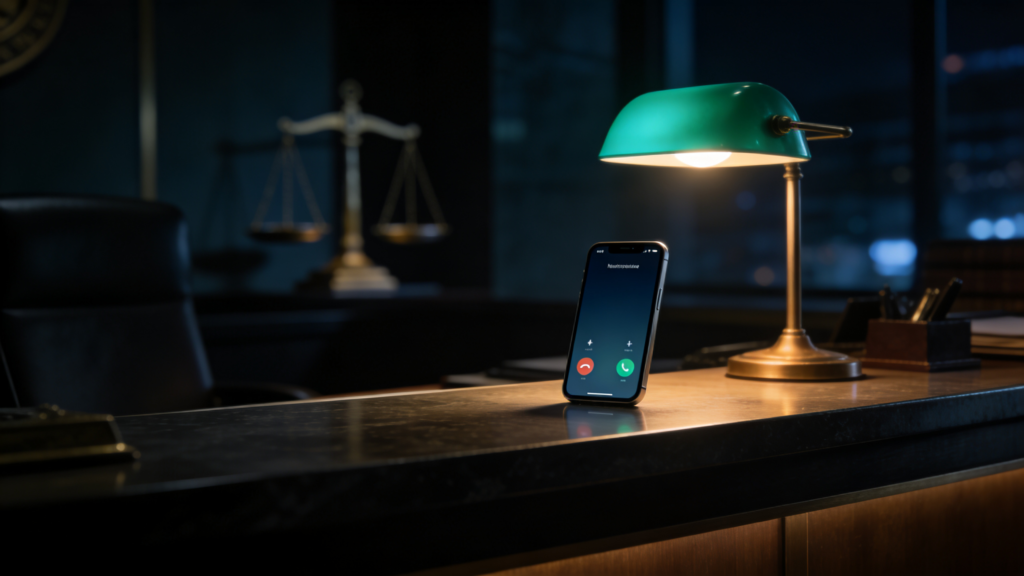
For most law firms, the case is won or lost long before it reaches a courtroom. It is decided at intake, the first moment a potential client reaches out. A slow callback, an unanswered after-hours call, or a clumsy first conversation can send a prospective client straight to the next firm on their list. This article looks at how AI is changing the intake process and what it means for firms of every size.
Why intake is the weakest link for many firms
Legal clients rarely shop slowly. Someone injured in an accident or facing a deadline often calls several firms in a single afternoon and hires the first one that responds well. Yet many firms still rely on a single receptionist, a voicemail box after 5 p.m., or attorneys who are too busy in court to pick up. The result is predictable: leads slip through the cracks.
Where AI fits into the intake process
Answering the first call instantly
AI phone assistants answer immediately, any hour of the day. For a personal injury or criminal defense firm, where calls often come at night or on weekends, this alone can capture clients that would otherwise be lost.
Qualifying leads consistently
An AI intake assistant asks the same baseline questions every time: type of matter, jurisdiction, timeline, and key facts. Consistent qualification means attorneys spend their time on viable cases instead of sorting through mismatched inquiries.
Booking consultations automatically
Instead of phone tag, the assistant offers available consultation times and books directly onto the calendar, then sends a confirmation. The prospect goes from first contact to scheduled meeting in minutes.
Following up without delay
Automated follow-up texts and emails keep a lead warm between the first call and the consultation, reducing no-shows and second thoughts.
What this does not change
AI does not give legal advice, and it should not. Its role at intake is administrative: capture the inquiry, gather the basics, and get a qualified prospect in front of an attorney quickly. The legal judgment, the strategy, and the relationship remain entirely human.
The compliance and confidentiality question
Any tool that touches client information has to respect confidentiality. Responsible intake setups limit what is collected at the first touch, store data securely, and make clear when a conversation is being handled by an automated assistant. Firms should review how any system handles data before putting it on the front line.
A realistic picture of the results
Firms that tighten intake usually see the same pattern: fewer missed calls, faster response times, and more consultations booked from the same volume of leads. The marketing spend does not change. The firm simply stops leaking the leads it already pays to generate.
Frequently asked questions
Will clients trust an automated intake process?
Clients care most about being heard and getting a fast answer. A well-built assistant that responds instantly and books a real meeting often feels more responsive than a voicemail box.
Can AI intake work alongside our current staff?
Yes. The most common model uses AI to cover overflow and after-hours calls while human staff handle the rest, so nothing falls through during busy periods.
What types of law benefit most?
High-volume, time-sensitive practice areas (personal injury, criminal defense, family law, and immigration) tend to see the biggest impact, but any firm that relies on inbound inquiries can benefit.
The takeaway
Client intake is no longer just a front-desk task. It is a measurable, improvable system, and AI is making it faster and more consistent. Firms that treat intake as a priority, rather than an afterthought, are the ones turning more inquiries into clients.